
- LG Energy Solution emerges as a leader in AI-era power infrastructure through ESS and AI-based energy management.
- The company accelerates its EaaS strategy, extending beyond battery manufacturing into integrated energy circulation and grid services.
AI has become part of everyday life, but the electricity demand created by AI usage is putting growing pressure on energy systems, signaling a transition in how electricity is used and elevating the importance of higher-performing energy infrastructure.
ESS as an Answer to Rising Electricity Demand
ESS are widely viewed as one of the most effective ways to meet the soaring power demand from AI data centers while improving grid stability. Governments continue to tighten carbon and greenhouse gas regulations, but renewable energy sources such as solar and wind are inherently intermittent. ESS addresses this variability by storing surplus electricity and releasing it when needed. The result is a more stable power grid and an efficient use of electricity that would otherwise be wasted.
Greater investment in research and development, combined with wider adoption of renewable energy sources, is accelerating the uptake of advanced storage technologies. Precedence Research projects that the global ESS market will grow from USD 288.9 billion in 2025 to USD 569.39 billion by 2034, reflecting a 7.87 percent compound annual growth rate (CAGR).
LG Energy Solution at the Center of LFP Production
Within the ESS market, lithium iron phosphate (LFP) batteries have emerged as the dominant choice for many large-scale storage projects. LG Energy Solution holds a distinctive position as a company with a full mass-production system for ESS-grade LFP batteries. This capability matters as many of the global ESS projects that emphasize LFP technology are concentrated in North America and Europe, regions that place weight on supply-chain resilience and diversified sourcing.
LG Energy Solution has secured ESS projects across North America and Europe, with plans to increase project volume and accelerate the transition toward ESS in additional markets, including China. At the same time, the company will reinforce its operational capabilities by increasing global ESS production capacity to over 60 GWh this year, with more than 80 percent of that capacity located in North America
EaaS Moves Storage From a Product to a Service Model
Alongside ESS growth, the power sector is seeing a shift toward service-based models. In Korea, LG Energy Solution has begun scaling its Energy as a Service (EaaS) approach by integrating EaaS initiatives into its ESS business division, aligning with the emerging paradigm of power services.
Under EaaS, customers can access energy solutions on a subscription basis rather than relying on large upfront investments in equipment and infrastructure. Companies that might otherwise purchase and install their own solar panels and energy storage systems can instead rely on an EaaS provider to optimize power usage. This structure provides reduced electricity costs and carbon emissions while also ensuring stable power supply.
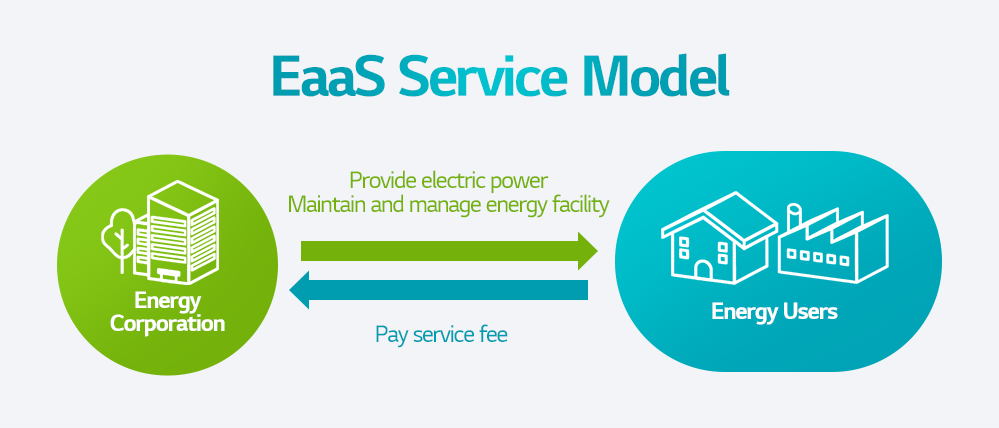
EaaS is positioned as distinct from traditional energy use models, in which energy users purchase equipment, operate it internally, and manage performance over time. The benefits most associated with EaaS include:
- Lower upfront investment: Access to energy services is provided without the need to purchase or install energy systems directly, easing high initial capital burdens. Customers instead pay a service fee, offering more scalable energy solutions.
- Improved energy efficiency: Precise monitoring and management optimize energy consumption. This structure helps lower emissions and reduce overall energy demand, which can also ease grid congestion and deliver system-wide benefits.
- Greater access to advanced technologies: Technologies such as ESS and AI-based energy management become available without heavy upfront investment, supporting faster adoption and more flexible responses to shifting market conditions.
- Reduced operational burden: Operation and maintenance responsibilities remain with the provider, reducing the need for customers to manage the energy systems and allowing organizations to focus more on their core business activities.
LG Energy Solution’s EaaS Built on AI and ESS
LG Energy Solution is expanding its EaaS business by combining AI technologies with its extensive experience in operating renewable energy systems and ESS. One example is its energy power brokerage business, which uses intelligent energy management to optimize electricity usage and value creation.
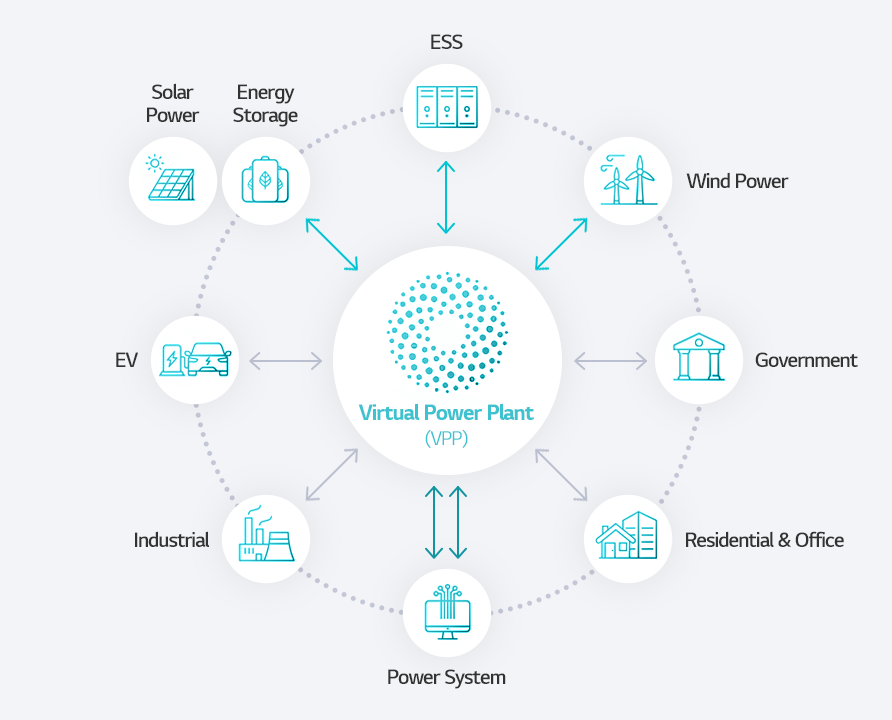
This model functions as an intermediary connecting renewable power plants with electricity markets through a Virtual Power Plant (VPP) platform built on Information and Communication Technology (ICT) and ESS. A VPP aggregates and manages distributed energy resources, supporting real-time monitoring of electricity supply and demand, forecasting power generation, and improving the efficiency of energy delivery.
Years of hands-on experience managing diverse energy resources in varied environments have enabled LG Energy Solution to advance its capabilities in integrating and operating resources, including solar, wind, and ESS assets of different sizes. Leveraging this foundation, the company developed Korea’s first stand-alone ESS power plant linked to the distribution grid, which corrects generator forecast errors caused by weather fluctuations in real time and contributes to grid stability.
LG Energy Solution has also strengthened its forecasting capabilities through an AI and machine learning (ML)-based solution that processes weather and generation data in two stages, incorporating seasonal and geographic characteristics into operational optimization. An ICT-based integrated management platform allows customers to track real-time revenues, review bidding results, and conduct data analysis, while customized operating strategies reflect customer energy-use patterns and business conditions. Specialists in energy market and regulatory changes also proactively respond to evolving conditions, helping reduce operational risks across the project lifecycle.
Leveraging Domestic Operational Milestones for a Global Future
In Korea, LG Energy Solution serves as the leading aggregator in Jeju’s renewable energy bidding system and has been selected to operate the bidding service for the 100MW Jeju Hanlim Offshore Wind Farm, the largest offshore wind project in the country. The selection reflects the company’s track record in offshore wind bidding and forecasting, highlighting an expanding role that extends beyond battery manufacturing into integrated energy management and energy circulation services.
At the same time, LG Energy Solution is proactively reviewing EaaS market opportunities and battery optimization projects overseas, with particular attention to the North American market.
LG Energy Solution stands at the center of this transformation, building a comprehensive ecosystem that spans battery technology, ESS operations, and EaaS services. ESS provides grid flexibility, while EaaS serves as a subscription-style platform that simplifies access.
Over the next decade, competitiveness will be defined by who can deliver energy services in the most intelligent and efficient way. By combining advanced battery technology, AI-based energy management, ESS operations, and service-oriented business models, LG Energy Solution is positioning itself as a leader in the power infrastructure required for the AI era.
+ To stay up to date with the latest news from LG Energy Solution, click “Subscribe.”