
- NextStar Energy’s Co-op Program gives university students opportunities to work alongside experienced teams on real battery manufacturing projects.
- Three students share how the program helped them apply their engineering skills, take initiative, and build professional confidence.
NextStar Energy, a strategic North American production hub within LG Energy Solution’s global battery manufacturing network, is helping develop the workforce for Canada’s growing battery and EV industry. Through its Co-op (co-operative education) Program, NextStar Energy gives university students hands-on experience in large-scale manufacturing, advanced battery technology, and daily plant operations.
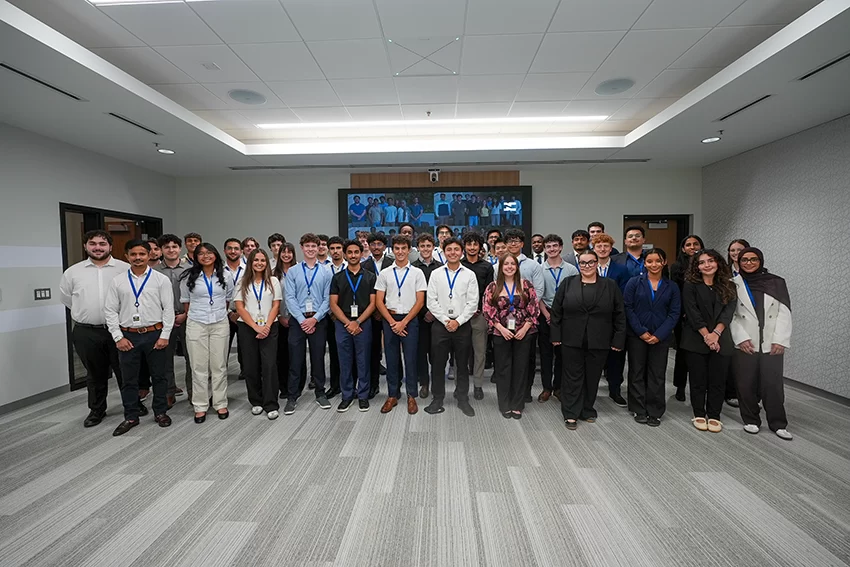
Since 2024, NextStar Energy has provided co-op opportunities to 130 students from six Ontario schools (University of Windsor, University of Waterloo, University of Guelph, University of Toronto, Toronto Metropolitan University, and St Clair College) and Dalhousie University.
Students gain hands-on experience across technical and business teams, working on real projects tied directly to business needs. They collaborate, solve meaningful problems, and take ownership of their work while building a deeper understanding of how advanced battery manufacturing operates as a connected system.
Working across Continuous Improvement and Factory Automation, Co-op students Dominik Krol, Sydney Van Veen, and Nathan Agostinis share their perspectives on the program. Their experiences provide a closer look at how NextStar Energy’s Co-op Program enables students to develop practical skills for careers in battery manufacturing.
Dominik Krol: Turning Process Improvements Into Standard Work
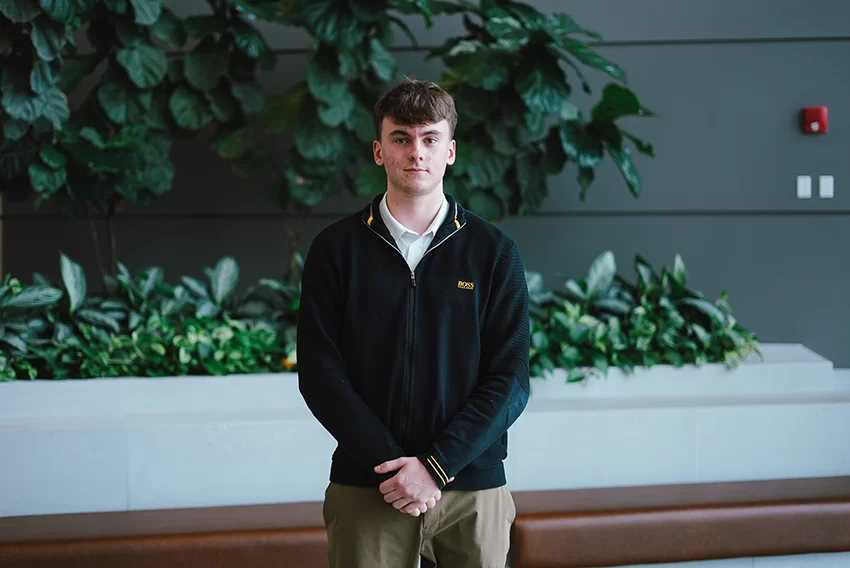
Krol, a third-year Electrical Engineering student at the University of Windsor, joined NextStar Energy as a Co-op student on the Continuous Improvement team. Krol was drawn to the opportunity to be part of Canada’s first large-scale lithium-ion battery plant while gaining hands-on experience in advanced manufacturing.
1. What did your role on the Continuous Improvement team look like during your Co-op?
During my Co-op, I had the opportunity to drive continuous improvement alongside my team, including leading 3R5S initiatives[1] to improve organization, standardization, and efficiency across various production areas. I regularly audited production areas, identified opportunities for improvement, and worked directly with shift leaders to put practical changes in place, such as organizational systems and proper signage.
2. What was one project that gave you a hands-on look at how things work at NextStar Energy?
One project I worked on was digitizing our operational process checklists. The existing paper documentation varied significantly across teams, so I worked directly with supervisors to understand how they used the documents and what information was most important to them. I then helped digitize more than 40 process checklists and prepare them for launch on our new visual management boards.
3. What did you find most rewarding about your Co-op experience?
What I found most rewarding was seeing the improvements I helped implement become part of the teams’ daily routines. Returning to the production floor weeks later and seeing teams maintain the standardized environment showed me that even as a Co-op student, I could contribute to changes that have a lasting impact on how the facility operates.
4. What did your Co-op teach you about working in a large-scale manufacturing environment?
My Co-op taught me the importance of working directly with the people closest to a process. Whether I was implementing 3R5S improvements or digitizing checklists, understanding the needs of production teams helped me develop practical solutions. It gave me valuable hands-on experience with continuous improvement while showing me how collaboration and standard work contribute to successfully running a facility of this scale.
Sydney Van Veen: Speaking Up and Taking Initiative
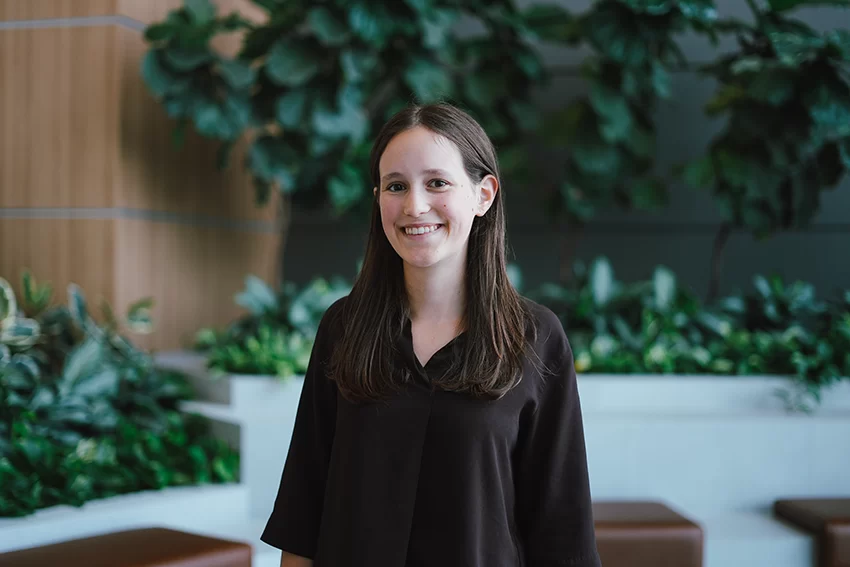
Van Veen, a Mechanical Engineering student at the University of Waterloo, became the first Co-op student on NextStar Energy’s Factory Automation team. Van Veen worked on the Electrode/Assembly stage of battery manufacturing, gaining experience in a large-scale manufacturing environment while contributing to a major Ontario sustainable energy project.
1. What did your Co-op experience look like as part of the Factory Automation team?
In the first few weeks of my Co-op, I had the opportunity to attend training alongside Factory Automation technicians to learn about the equipment my team manages. This hands-on experience helped me better understand the manufacturing process and how my work connected to the team’s day-to-day operations.
2. Can you share a moment when you took initiative during your Co-op?
During my training, I noticed a gap in the available equipment documentation and took the initiative to develop resources that made equipment knowledge more accessible to the team. I was proud to create useful, lasting tools that went beyond the initial scope of my assignment. It showed me the impact I could have by speaking up and looking for ways to improve the team’s work.
3. What did the experience teach you about taking initiative as a Co-op student?
I learned that being proactive and adaptable can make a real difference in a Co-op role. Whether it was creating new resources for the team or finding ways to communicate more effectively, I learned to take initiative, ask questions, and look for opportunities to contribute beyond my initial responsibilities.
4. How has your Co-op experience shaped the kind of engineer you want to become?
My Co-op experience at NextStar Energy reinforced that I enjoy engineering work that combines problem-solving, collaboration, and putting ideas into practice. I was especially inspired by how willing my teammates and mentors were to support my growth and encourage me to contribute. After graduation, I hope to carry that experience forward by becoming an engineer who listens to and supports others, just as my mentors did for me.
Nathan Agostinis: Growing Beyond the Technical
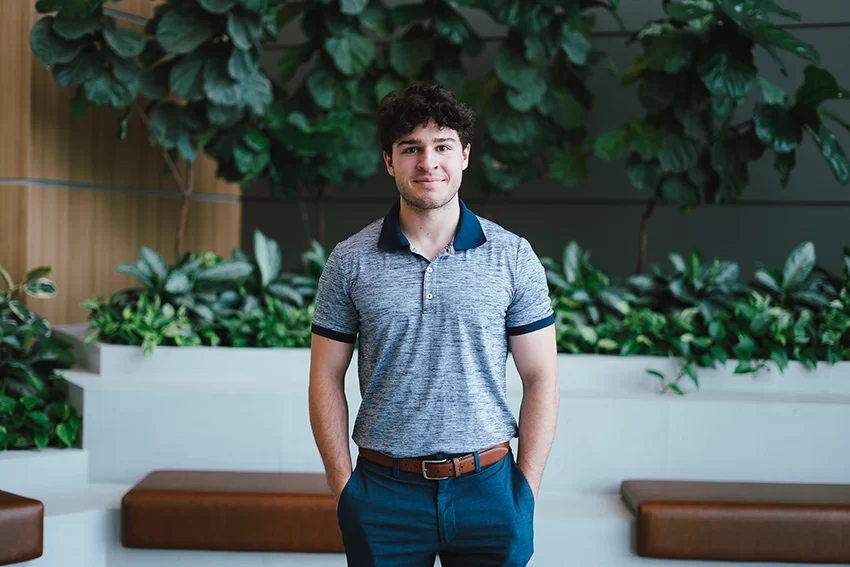
Agostinis, an Electrical Engineering student at the University of Windsor, joined NextStar Energy’s Continuous Improvement team, where he worked to improve safety, quality, and organizational standards. Growing up in Windsor, Agostinis saw the role as an opportunity to contribute to a major new facility in his hometown while building practical engineering experience.
1. What did your role on the Continuous Improvement team involve, and what project were you most proud of?
I was most engaged when I had the opportunity to lead the preparation of production areas for our global 3R5S HQ audit. I was responsible for implementing 3R5S organizational standards to improve safety, quality, and efficiency throughout the plant. Working closely with supervisors, especially my supervisor Krista Ammonite, I learned to identify safety concerns, deviations from standards, and opportunities for improvement.
2. How did working alongside your team help you grow during your Co-op?
The support and feedback I received from the supervisors made a significant difference. During audits, Krista shared her experience and perspective, which helped me develop a much stronger eye for detail. It showed me how much I could learn by working alongside experienced team members and applying their feedback to my own work.
3. What was a challenge that pushed you outside your comfort zone?
One challenge was speaking at our company’s monthly gathering in front of hundreds of full-time employees. Presenting to an audience that large was outside my comfort zone, so I prepared well in advance, practiced my presentation, and focused on communicating clearly rather than being overwhelmed by the size of the audience.
4. What is one lesson from your Co-op experience that you will carry forward?
The experience taught me how valuable preparation and support can be when taking on something unfamiliar. Beyond developing my technical skills, I became more confident in communicating, taking ownership of projects, and learning from the people around me.
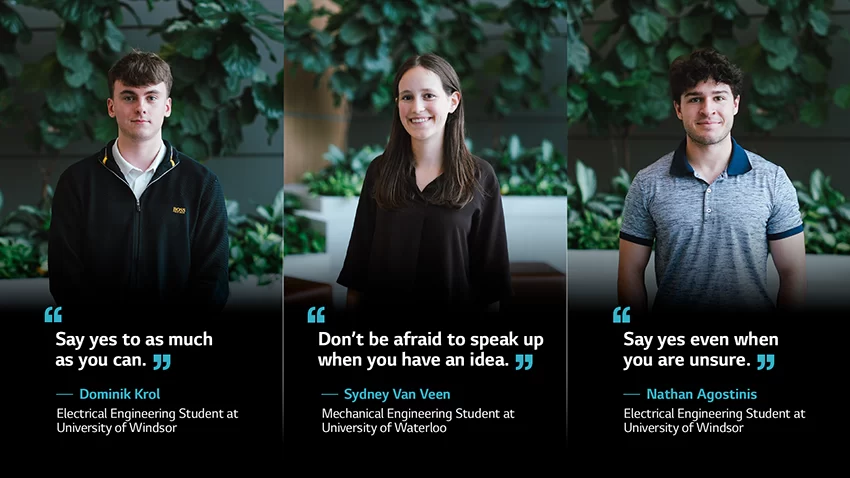
How the Co-op Experience Shapes the Future Workforce
For Krol, Van Veen, and Agostinis, the Co-op experience extended beyond technical capabilities, helping them develop skills in communication and collaboration. They learned the importance of problem-solving and understanding the people behind a process by working alongside experienced teams. These mentors supported their growth throughout the program, giving them the confidence to contribute ideas and take ownership of their work.
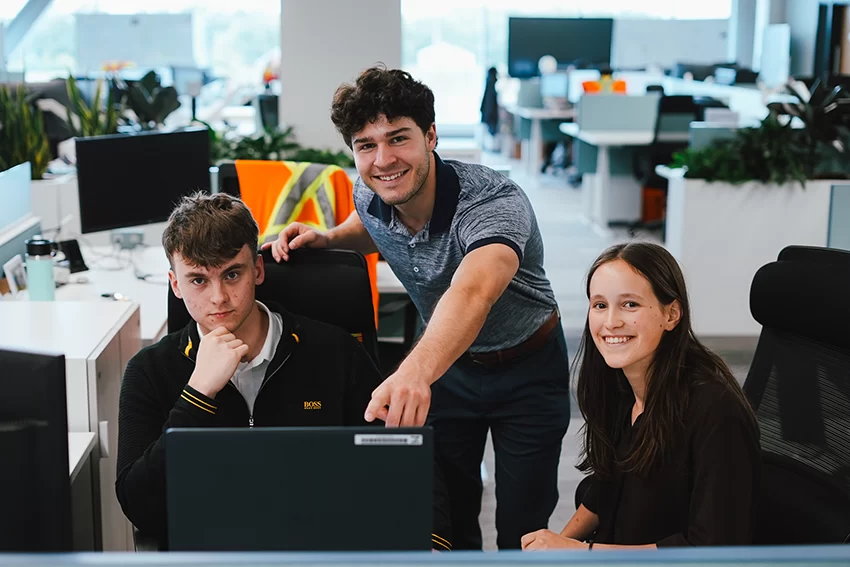
The company’s talent development efforts are part of NextStar Energy’s broader commitment to creating local jobs and building pathways into Canada’s growing battery manufacturing sector. As a result, the University of Windsor has recognized the Co-op Program, naming NextStar Energy its 2025 Co-op Employer of the Year. Initiatives such as the Battery Boost Program also support local workforce development and career opportunities in the battery industry.
The program is already creating a pathway to long-term careers, with former co-op students transitioning into full-time roles and others looking forward to returning after graduation.
By connecting students with experienced teams and meaningful manufacturing work, Co-op programs help prepare the skilled workforce Canada’s growing battery industry needs. For future engineers in battery manufacturing, technical knowledge is most effective when paired with problem-solving, collaboration, and the ability to put ideas into practice.
+ To stay up to date with the latest news from LG Energy Solution, click “Subscribe.”
[1] 3R5S refers to a workplace organization and standardization approach combining the 3R principles—Right quantity, Right container, and Right location—with the 5S methodology: Short, Set in order, Shine, Standardize, and Sustain.